General
3 Layer WPC Boards: A Smarter Material for Modern Interiors
By Admin
July 18, 2026
50 Views
Choosing the right board material is one of the most important decisions in any interior project. In a state like Kerala, where humidity stays high through much of the year, that decision becomes even more critical. This is where 3 Layer WPC Boards have earned their place as a dependable option for homes and commercial spaces alike.
At Bestwood, a Kerala-based WPC board manufacturer, we work closely with architects, fabricators, and homeowners who need materials that hold up over time. This guide explains what 3 Layer WPC Boards are, how they are built, and why they suit the conditions found across the region.
What Is a 3 Layer WPC Board?
WPC stands for Wood Plastic Composite. A WPC board is made from a combination of wood fibers or wood flour and thermoplastics, which together create a material that resists moisture, termites, rot, and corrosion.
A 3 Layer WPC Board takes this further by building the board in three bonded layers rather than a single uniform mass. This multilayer WPC board structure improves the way the board handles stress, screws, and daily use.
Structure of the Three Layers
The three layers each serve a purpose. While exact formulations vary by manufacturer, the general principle stays consistent:
- Top and bottom layers: Denser outer surfaces that give the board strength, a smooth finish, and better screw-holding ability.
- Core layer: A lighter inner layer that keeps the board manageable in weight while supporting the outer surfaces.
This sandwich-style build is what separates a multilayer board from a basic single-layer one.
How Multilayer Construction Improves Stability
The layered design distributes the load more evenly across the board. The firmer outer layers resist surface damage and hold fasteners securely, while the core keeps the overall panel balanced.
The result is a board that stays flatter, handles fabrication well, and performs reliably in cabinetry and panel work. For anyone comparing a waterproof WPC board against older materials, this structural stability is a key reason multilayer options are preferred.
Advantages Over Plywood and MDF in Moisture-Prone Areas
Plywood and MDF have served the industry for decades, but both struggle when exposed to consistent moisture. Plywood can delaminate, and MDF tends to swell and weaken once water reaches its core.
A 3 Layer WPC Board behaves differently:
- It resists moisture rather than absorbing it.
- It is termite-proof, removing a common worry in tropical settings.
- It does not rot or corrode the way wood-based panels can.
- It maintains its shape in damp environments such as kitchens and bathrooms.
These qualities make it a practical alternative wherever water exposure is a regular concern.
Ideal Applications in Kerala's Humid Climate
Kerala's coastal humidity tests every material used indoors. A termite-proof WPC board that also resists moisture is well-suited to this climate, which is why demand for the best WPC board in Kerala continues to grow.
Common uses include:
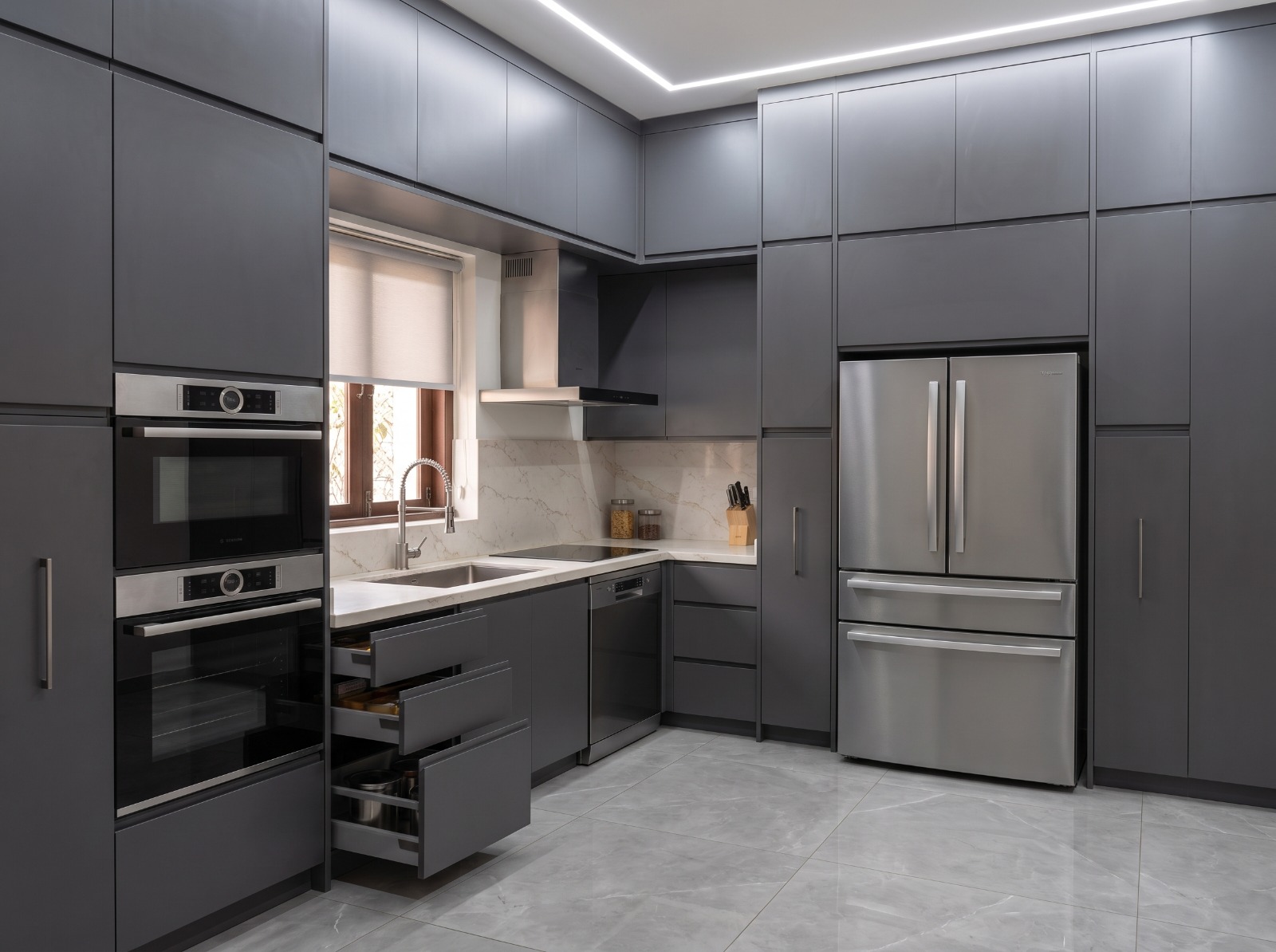
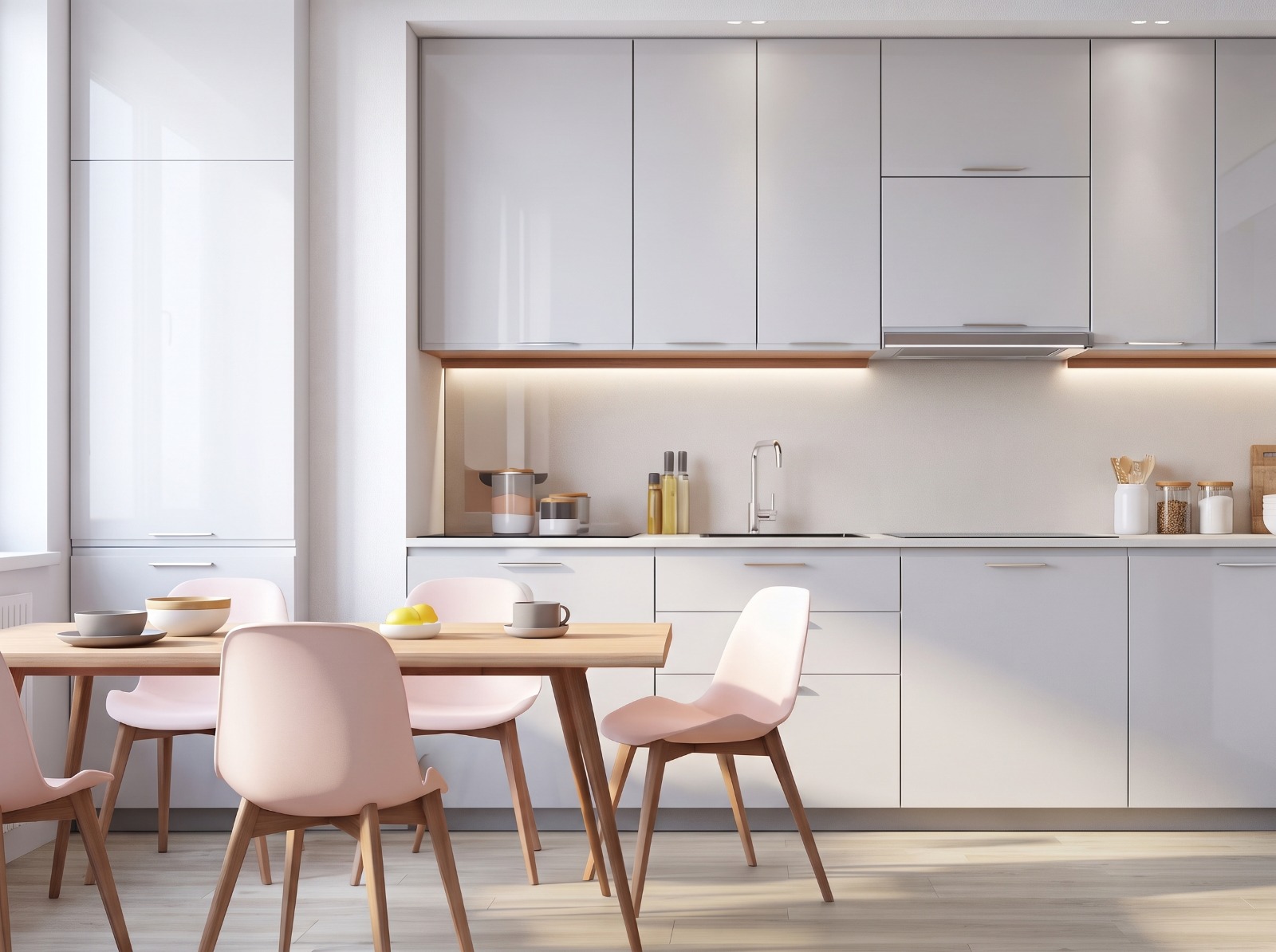
- WPC board for modular kitchen units, including cabinets and shutters
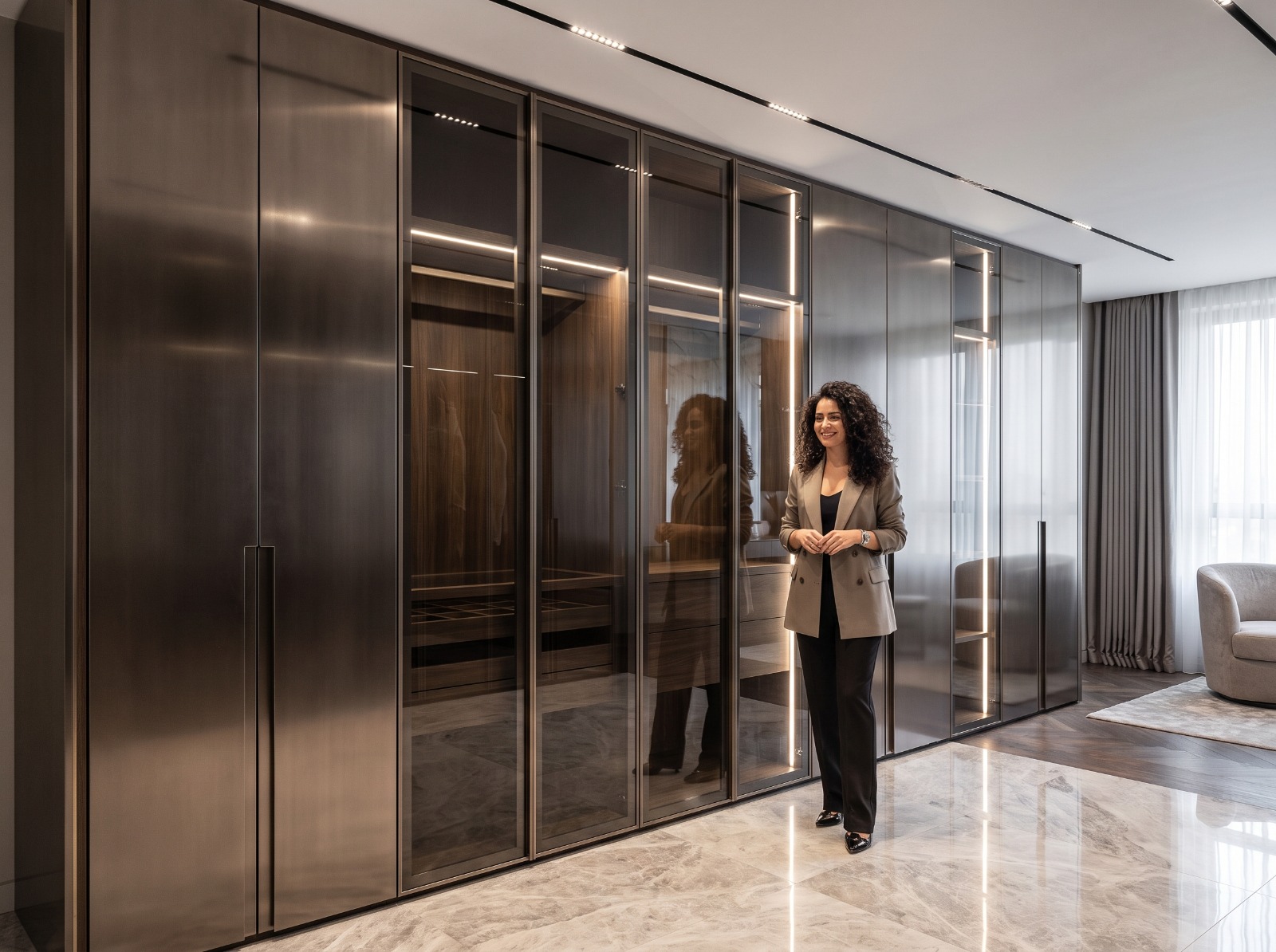
- Wardrobes and storage systems
- Wall panels and partitions
- Ceilings and decorative surfaces
- Commercial interiors such as offices, retail counters, and reception areas
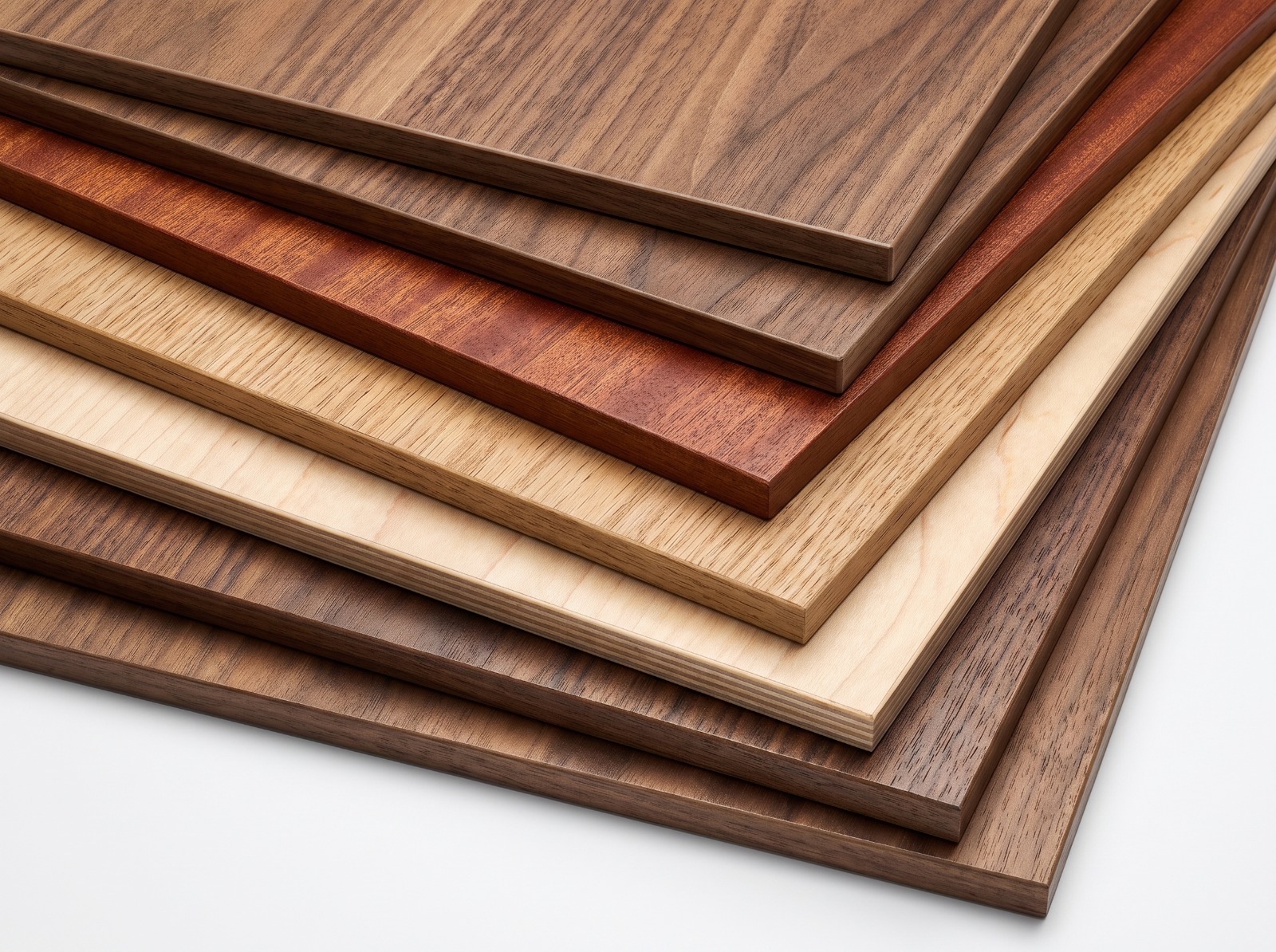
Because a WPC board for furniture can be cut, drilled, screwed, CNC-machined, laminated, and painted, fabricators can work with it using familiar tools and finishes.
Why Professionals Prefer Multilayer WPC Boards
Architects and interior designers value predictability. They want materials that perform the same way across projects and seasons. Fabricators appreciate boards that machine cleanly and accept hardware without splitting. Homeowners simply want furniture that lasts without warping or attracting pests. A 3 Layer WPC Board answers all three needs at once, which explains its steady adoption across residential and commercial work.
Choose Bestwood for Quality WPC Boards
A 3 Layer WPC Board offers a dependable mix of stability, moisture resistance, and workability that fits the demands of modern interiors. For projects in a humid climate, that combination matters.
As a trusted WPC board manufacturer in Kerala, Bestwood produces boards built for real residential and commercial use. To discuss your project or learn more about our range, visit www.bestwood.co.in and connect with our team.